Talk to our team 24/7 1300 945 533
01 Wills · Q&A

How Can I Reduce the Risk of My Estate Being Disputed?

Kevin Finn's profile picture Answered by Kevin Finn Head of Legal Authored & legally reviewed 1 May 2026
Watch · 0:35 Read · 2 min
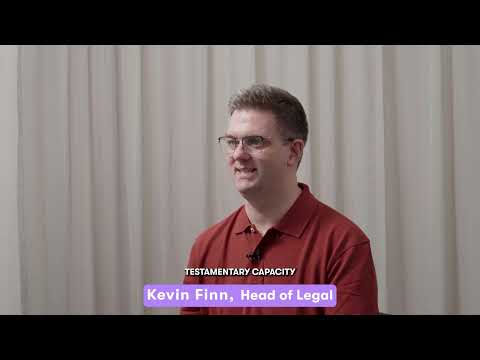
Kevin Finn on wills 0:35

You can reduce the risk of your estate being disputed by keeping a valid, up-to-date will, making realistic gift provisions, explaining your reasoning to family, and (for high-risk estates) appointing a professional executor. Family provision claims are the most common type of dispute, and poor drafting is a major driver of them.

Start with a Valid, Up-to-Date Will

The foundation of dispute prevention is a valid, legally compliant will that clearly reflects your wishes. Poor drafting significantly increases the risk of a claim being made against your estate. Vague language, unclear instructions, or contradictory provisions create openings for disputes.

Your will should be clear and specific about who gets what. Ambiguous bequests invite disagreement. For example, saying “I leave my assets equally to my children” is clearer than “I leave my assets to whoever needs them most,” which would spawn arguments about who qualifies.

Keep your will up-to-date. Life changes—marriages, separations, births, deaths, changed circumstances. If your will is five or ten years old and doesn’t reflect your current situation, it’s a potential dispute waiting to happen. Regular reviews ensure your will always matches your current wishes and family circumstances.

Be Clear About Your Intentions

Family provision claims are the most common type of estate dispute. These occur when someone—often an adult child, stepchild, or dependent—argues that you haven’t made adequate provision for them in your will. They’re usually brought by people who expected to inherit more than you left them.

You can reduce this risk by being thoughtful about how you distribute your estate and by explaining your reasoning where necessary. If you’re intentionally leaving less to one child than another, or if you’re excluding someone from your will, consider whether you should include an explanation. This doesn’t mean you need to justify your decisions, but clarity can prevent misunderstandings and resentment.

If you have a high-risk estate—one where disputes are more likely—consider appointing a professional executor. A professional executor (such as a trust company or specialist executor service) can manage your estate impartially and is trained to navigate potential disputes.

The Power of Prevention

Estate disputes are emotionally exhausting and financially draining. They consume resources that should go to your beneficiaries, cause lasting damage to family relationships, and create years of uncertainty and conflict. Most of these disputes could be avoided with careful planning.

A clear, well-drafted will that’s regularly updated, realistic gift provisions, transparent communication with your family about your wishes, and professional guidance where needed—these are the cornerstones of dispute prevention.

Willed helps you create a clear, legally sound will that minimises the risk of disputes and ensures your wishes are carried out with certainty.

Read the video transcript

Most estate disputes are entirely preventable. They can be prevented by ensuring that you have a valid, up-to-date will, realistic gift provisions where appropriate, explaining your reasons to your family, and, if there's a high-risk estate, considering the appointment of a professional executor. Family provision claims are the most common type of estate dispute. Poor drafting of a will can increase the risk of a claim being made.

Need a hand?

Willed’s team helps Australians with this every day.

Share this guide: